






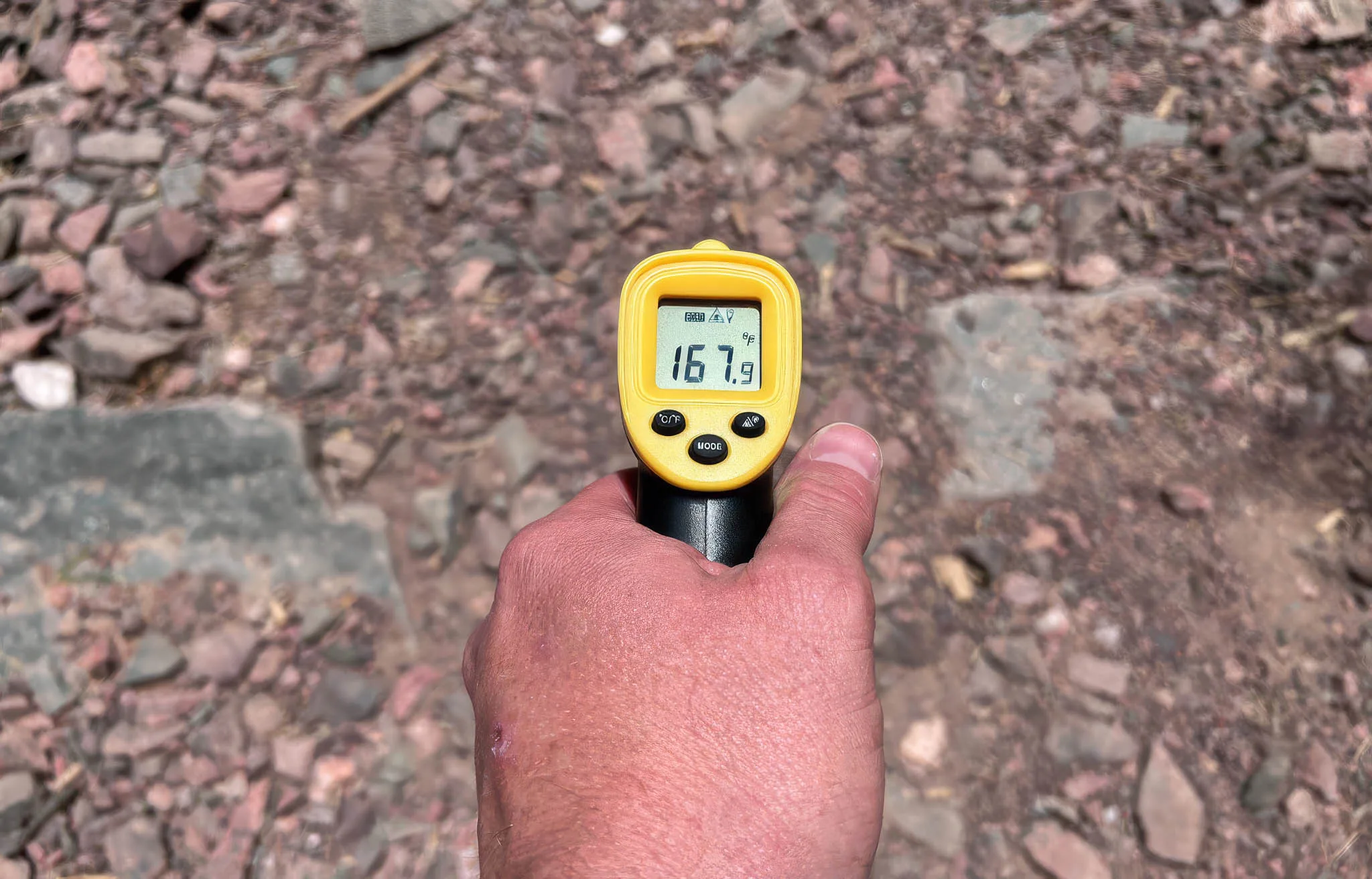
GRAND CANYON, Ariz. – Grand Canyon National Park rangers and emergency personnel responded to two separate heat-related incidents on June 12 and June 16, resulting in three deaths. In both cases, the deceased hikers were hiking trails in the Inner Canyon, where temperatures can exceed 109 F in the shade during midday hours.
On June 12, a 72-year-old male succumbed to symptoms of heat-related illness along the South Kaibab Trail; on June 16, a 67-yr old male and a 68-yr old female also appear to have succumbed to symptoms of heat-related illness on the North Kaibab Trail, although the investigation is still ongoing.
Despite rapid response and aerial support, all three individuals were found deceased when responders arrived. All individuals were transported to the Coconino County Medical Examiner office.
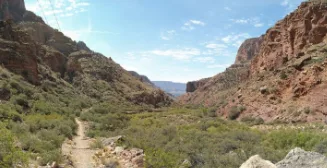
Hiking in Grand Canyon can be a challenge for anyone, especially during the heat of summer. The recent increase in heat-related incidents comes as summer temperatures in the Inner Canyon have reached dangerous levels, creating conditions that can quickly overwhelm hikers during the hottest parts of the day.
Due to current conditions, the NPS is encouraging visitors to stay off Inner Canyon trails from 10 a.m. to 4 p.m. For more information on visiting Grand Canyon during summer, visit the park website.
Heat Advisory
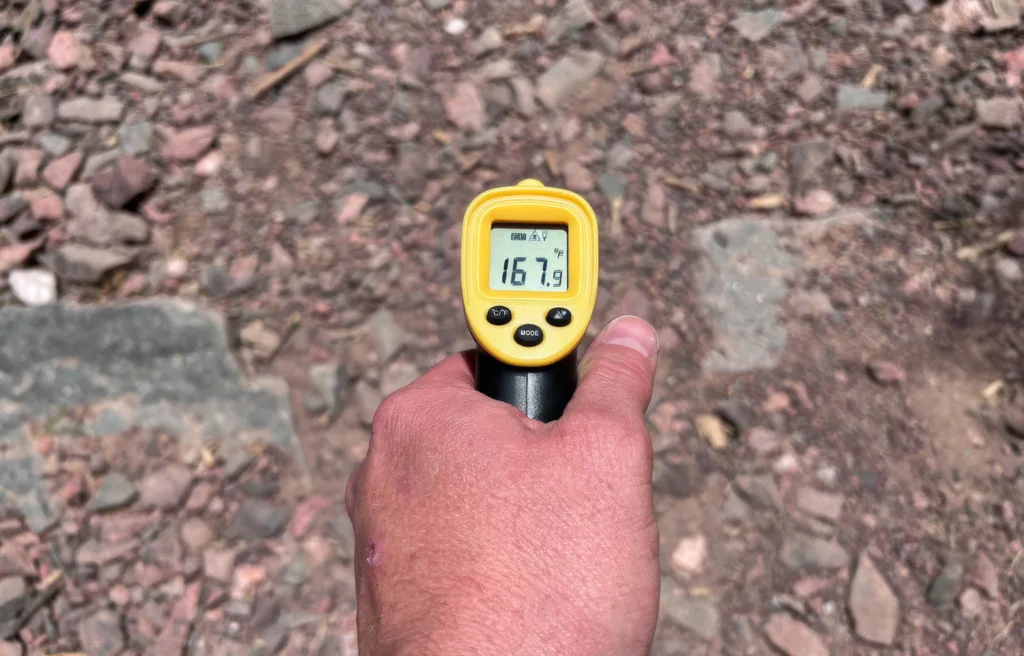
Grand Canyon National Park is reminding visitors that summer hiking below the rim should be limited to the early morning and evening hours. Due to a recent influx of heat-related incidents and forecast extreme temperatures, visitors are strongly advised to avoid strenuous hiking between 10 a.m. and 4 p.m., when Inner Canyon temperatures can soar to 109°F (43°C) in the shade.
Those most susceptible to heat-related incidents, including children under eight, adults over 65, and individuals with pre-existing medical conditions, should consider planning hikes during a cooler time of year.
Prevention is key to avoiding heat-related illness. Stay off exposed trails during midday hours, carry all the water you will need, and bring salty snacks to help replace electrolytes lost through sweating. Not all trails have water available, and even trails with water sources may experience outages. Visitors should know their medical and physical limits. Not only is the canyon steep and exposed, but it is also at a high elevation—approximately 7,000 feet on the South Rim and 8,000 feet on the North Rim—which can be challenging at any time of year, even for experienced hikers.
While emergency responders are highly skilled, the canyon is expansive and accessing visitors in need of care can take time. Heat-related illnesses can develop suddenly, and a visitor’s condition may deteriorate rapidly. Visitors should be prepared to self-rescue by recognizing the signs of heat illness and taking immediate steps to slow or stop its progression.
Symptoms of heat-related illness include, but are not limited to, headache, disorientation, and confusion. If you or someone you know is experiencing these symptoms, stop activity and seek shade immediately. If you suspect someone is experiencing a heat-related illness, do not leave them alone if it can be avoided.?
Remember, there are many opportunities to hike, walk, and enjoy the Grand Canyon’s iconic scenery along the rim. For more information about visiting Grand Canyon National Park and planning summer activities safely, visit the park website.