






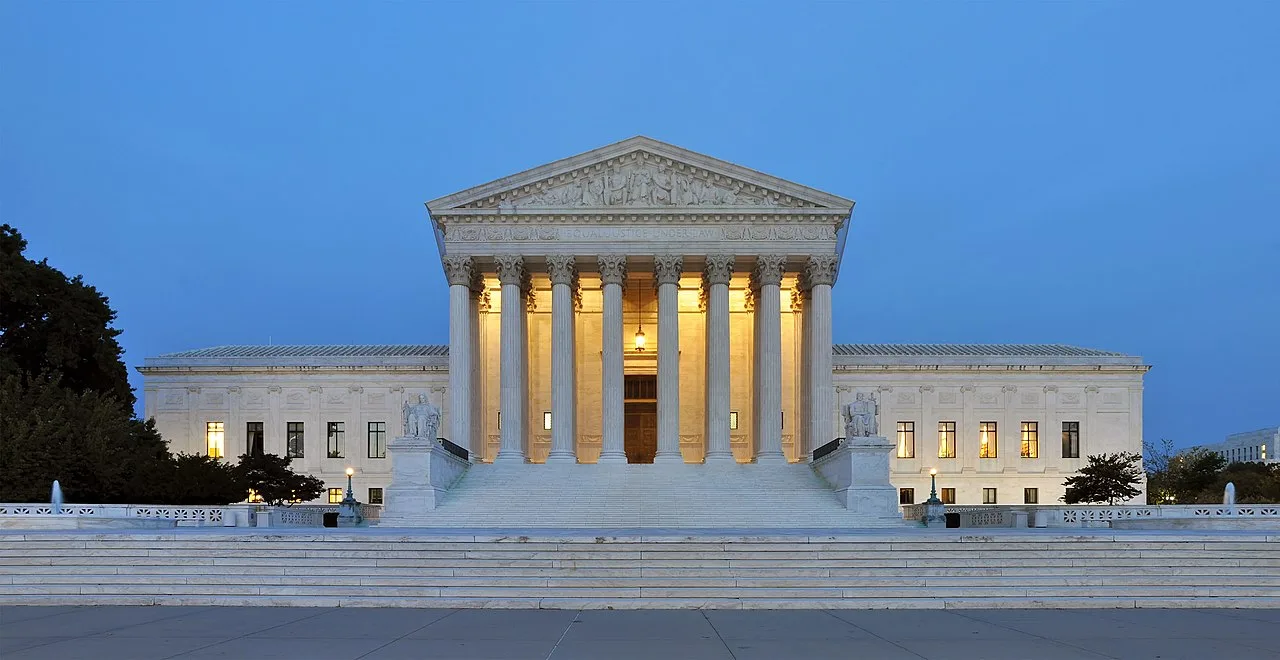
WASHINGTON, DC —The U.S. Supreme Court (SCOTUS) delivered its long-awaited ruling on President Trump’s tariffs on Friday, February 20. In a 6-3 decision, the court ruled that Trump’s use of tariffs was unlawful.
Governor Katie Hobbs celebrated the decision on Friday. “At a time when Arizonans are already facing high costs, and with tariffs proven to be a major contributing factor, I feel relieved,” she said in a statement.
Attorney General Kris Mayes also praised the SCOTUS decision, emphasizing the effect of tariffs on working families. “Let’s be honest about what these tariffs actually were — an illegal tax on American families and businesses. And the President cannot impose taxes on the American people without the consent of their elected representatives in Congress.”
In the decision, SCOTUS determined that Trump’s use of the International Emergency Economic Powers Act (IEEPA) did not authorize the president to impose sweeping tariffs. Section 232 tariffs that target imports that “threaten or impair the national security” would remain in place, though.
The nonpartisan Tax Foundation estimates that the tariffs raised more than $160B, and that the ruling erases around three fourths of that revenue.
The SCOTUS decision provides relief for businesses from further tariffs, but it stops short of delivering a remedy. Importers who wish to claw back refunds are therefore expected to file lawsuits to get the money back.
Other Arizona members of Congress have weighed in as well. “Even with the Supreme Court stepping in, the damage to small businesses, border communities, farmers, and working families is real,” said Rep. Adelita Grijalva on Friday. “Trump is not a king. And he was reminded of that today.”
Arizona Republican Rep. David Schweikert, who serves as the Chair of the Joint Economic Committee, did not praise the SCOTUS decision but agreed that levying tariffs is not good economic policy. In a statement regarding the SCOTUS decision, he spoke of the uncertainty tariffs create in the current tax system.
“To sustain essential programs and protect our fiscal health, we need a tax system that produces stable, predictable receipts without stifling growth,” the statement said. “Today’s ruling underscores the uncertainty in our current tax framework, uncertainty that limits investment, hiring, and innovation.”
Schweikert also laid out a vision for an alternative way of generating tax revenue that he believes is more stable. “To bring greater stability and competitiveness to our economy, and address tax arbitrage arising from other countries’ tax policies, I believe the U.S. should move toward a border-adjusted, destination-based cash flow tax.”
Trump condemned the SCOTUS decision and promised to impose a new global tariff of 10%.