




MOHAVE COUNTY – There’s not another place like the Jerry Ambrose Veterans Council (JAVC) in the state, maybe not even the entire country.
“(U.S. House of Representative) Paul Gosar and his friends ask me to replicate this facility in the Yuma area,” Wills said. “There’s been some interest in Ohio too.”
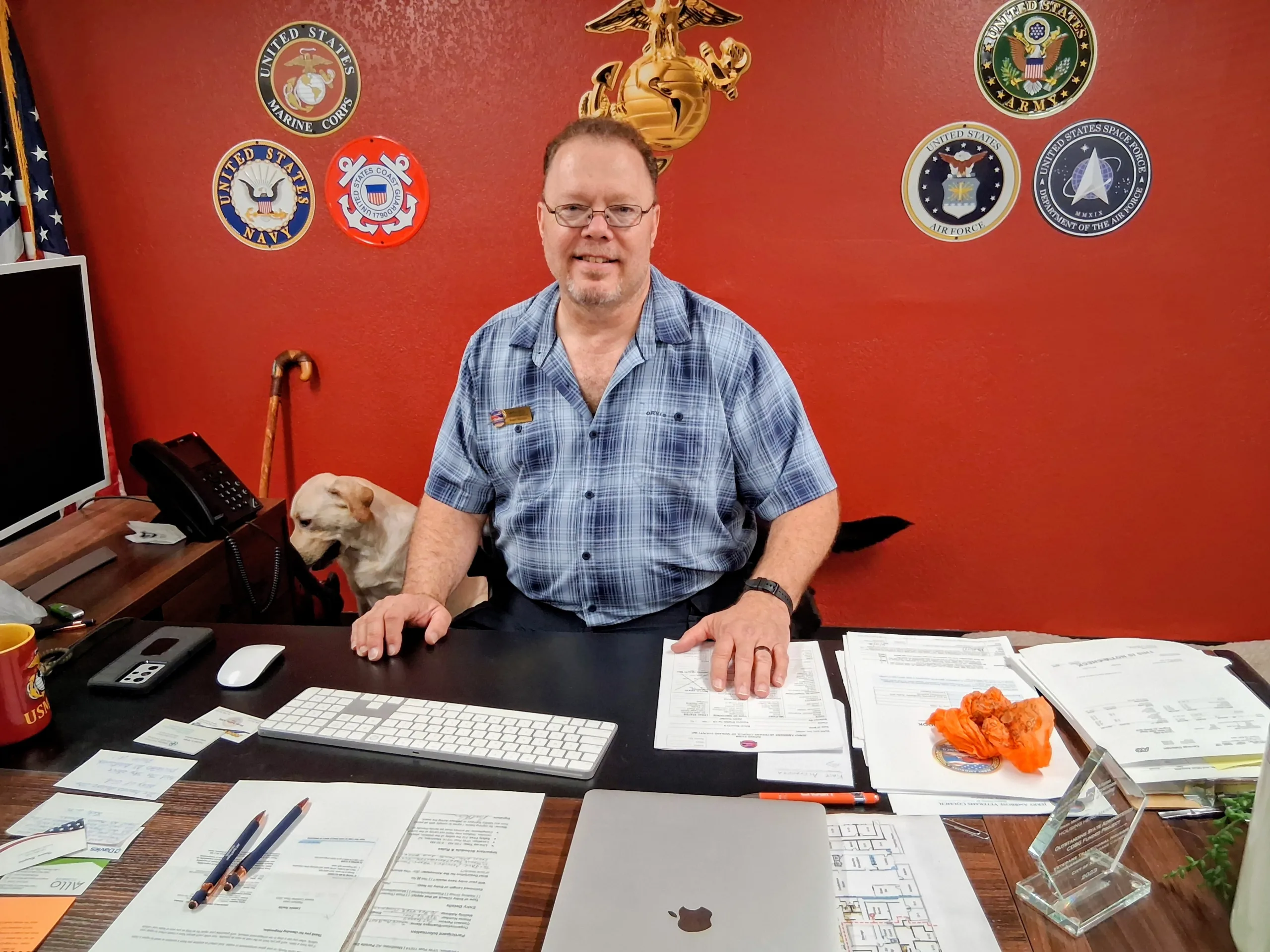
Who is JAVC and what do they do? They are a non-profit organization established in 2010 to give homeless veterans “a hand up, not a handout” in Kingman and throughout Mohave County. Dorn “Pat” Farrell ran it for the first 15 years, then passed the torch to the current Executive Diretor, Lonnie Wills.
What makes JAVC unique?
“We provide a continuum of carefree emergency shelter and transportation to case management, behavioral health support, employment assistance and permanent housing,” Wills said.
“We’re here to support veterans. Our goal is to help veterans rebuild stable, independent lives.”
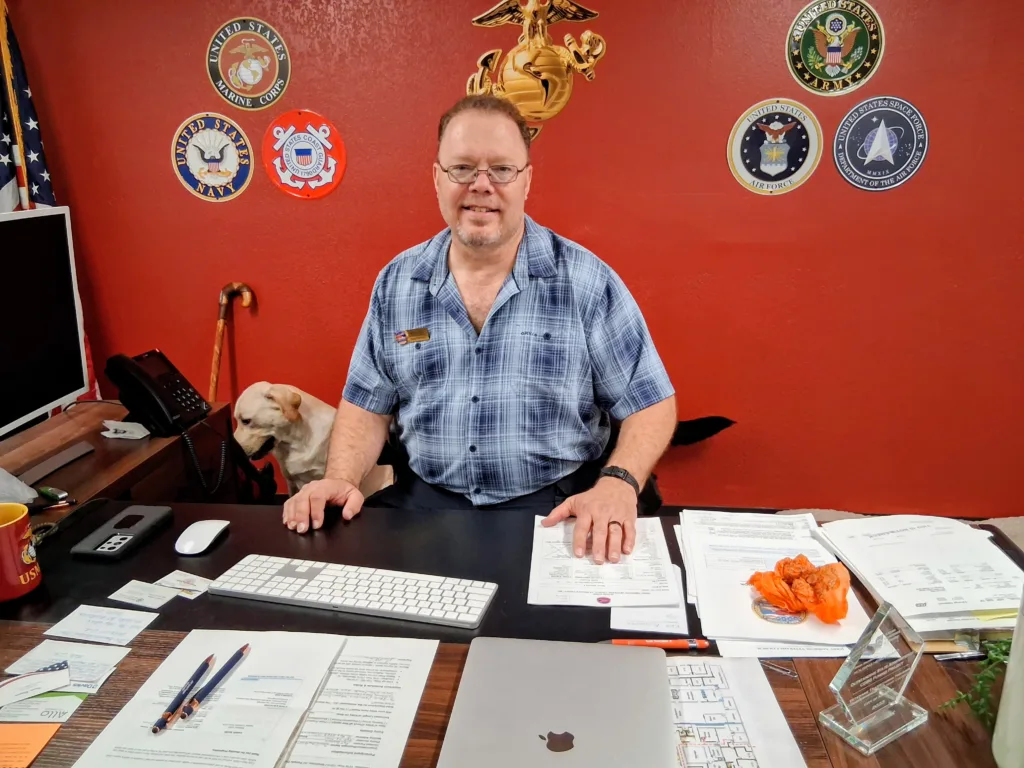
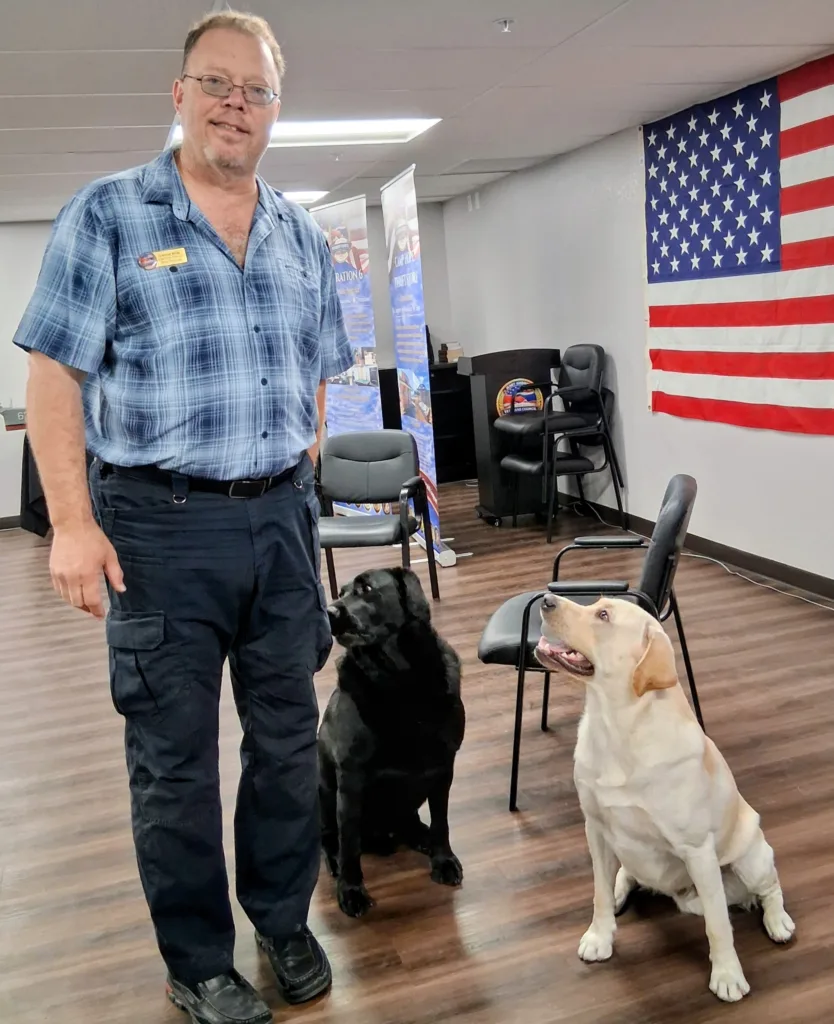
“The Veterans Administration (VA) requires veterans to have served 180 consecutive days in the military,” he said. “That’s six months.” Even me. I served in the Marine Corps Reserves for 8 years (1989-1997) yet I wouldn’t qualify for the VA. We don’t have that requirement here.”
“We’re here to help veterans and we have a 95% success rate of veterans staying in permanent homes we have placed them in.”
JAVC’s annual expenses for the services mentioned above are $1.5M to $1.7M.
For the five vehicles alone used to transport veterans, the insurance is $15,000 a year, Wills said, plus the cost of maintaining the vans and gasoline to get the veterans where they need to go.
“We’re looking at $100,000 to 125,000 this year,” Wills said.
It’s been a real financial struggle trying to renovate the 1986 structure that used to house two banks that later became one.
“The front office area used to have an atrium with a glass ceiling. When we replaced it, they put the roof over dry rot. Two years later, it was leaking during monsoon season. At 3 a.m., there were several of us in here squeezing water out of this area.”
That problem cost JAVC $550,000 to fix, but in spite of the costs, they’re there to help as many veterans as they can. One way is transitioning them into permanent housing through JAVC’s Operation 6 program.
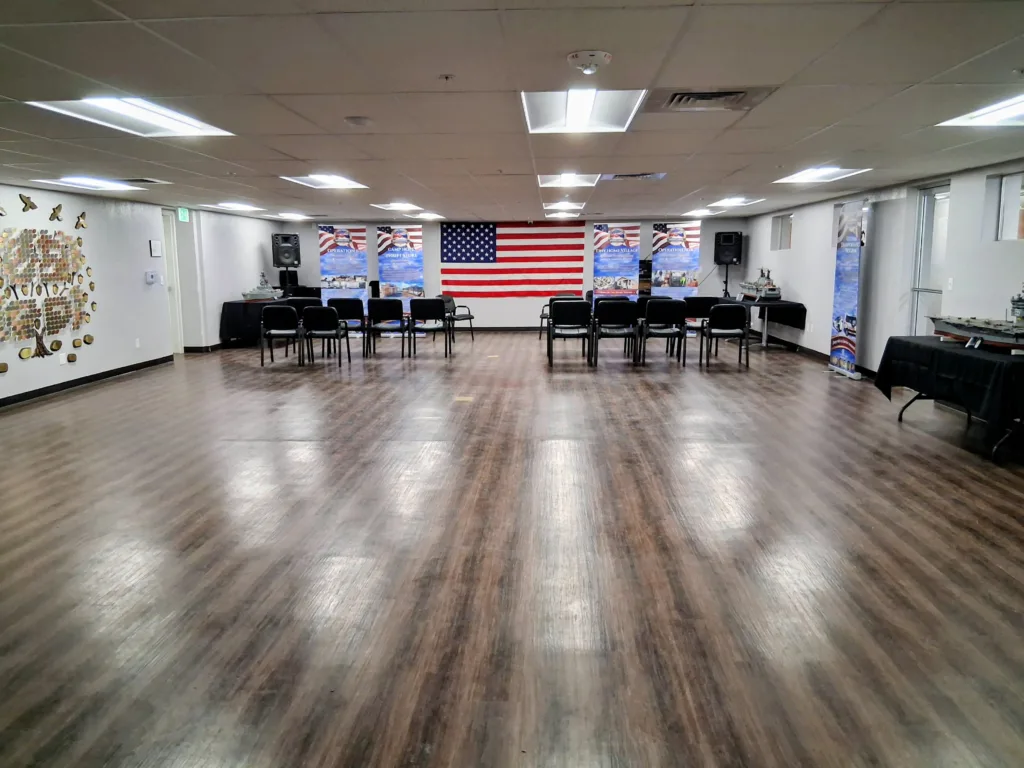
In addition to 25 temporary rooms in the Oak Street facility, they have seven tiny homes, each with 380 square feet, three in Zuni and four in Skyline. He said GEO inmates put them on RV trailers so they could move them. Rent for those homes is based on the veteran’s income.
JAVC has also purchased 4.02 acres on Sunshine Road to build 70-72 homes in Liberty Commons. Those homes, designed by Selberg Associates, will have 500 square feet. There will also be a community building in the safe, gated community. Cost for that project is approximately $5.5M. Of that, $2.5M will come through Transportation, Housing and Urban Development (THUD), a bill pushed through Congress by Arizona Senators Mark Kelly and Ruben Gallego and is currently under consideration.
JAVC also, through Operation Bob, goes out into the community to help veterans in need, who have their own homes, but need costly repairs they cannot otherwise afford. They do that, he said, through partnering with Lowes, Home Depot, private donors and volunteers, depending on the project.
In the Oak Street facility in Kingman, of the 25 rooms to house veterans, 20 are federally funded. The Low Demand Safe Haven program meets eligibility requirements established by the Veterans Administration (VA), including health care, eligibility and applicable federal service requirements, Wills said.
“JAVC has five additional rooms, not funded by the VA contract, allowing us to help veterans who may not qualify for VA benefits. We are able to help veterans beyond the limits of federal government.”
At the Oak Street facility, there are two wings for male veterans which have a total of 17 rooms and three rooms in the female wing.
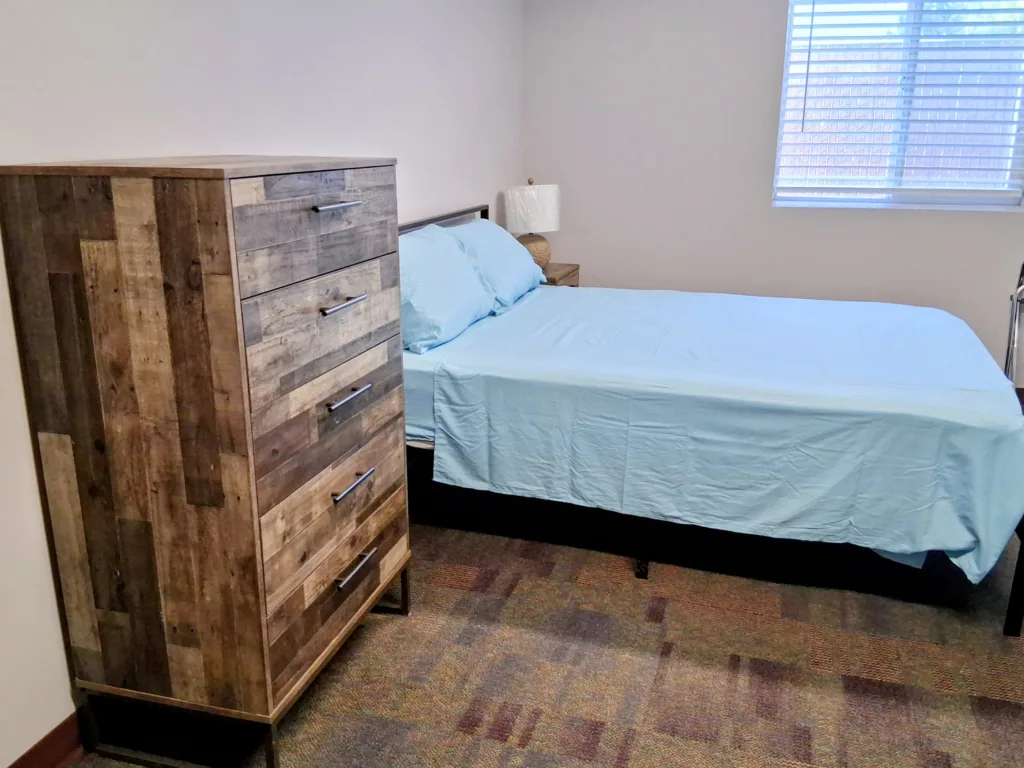
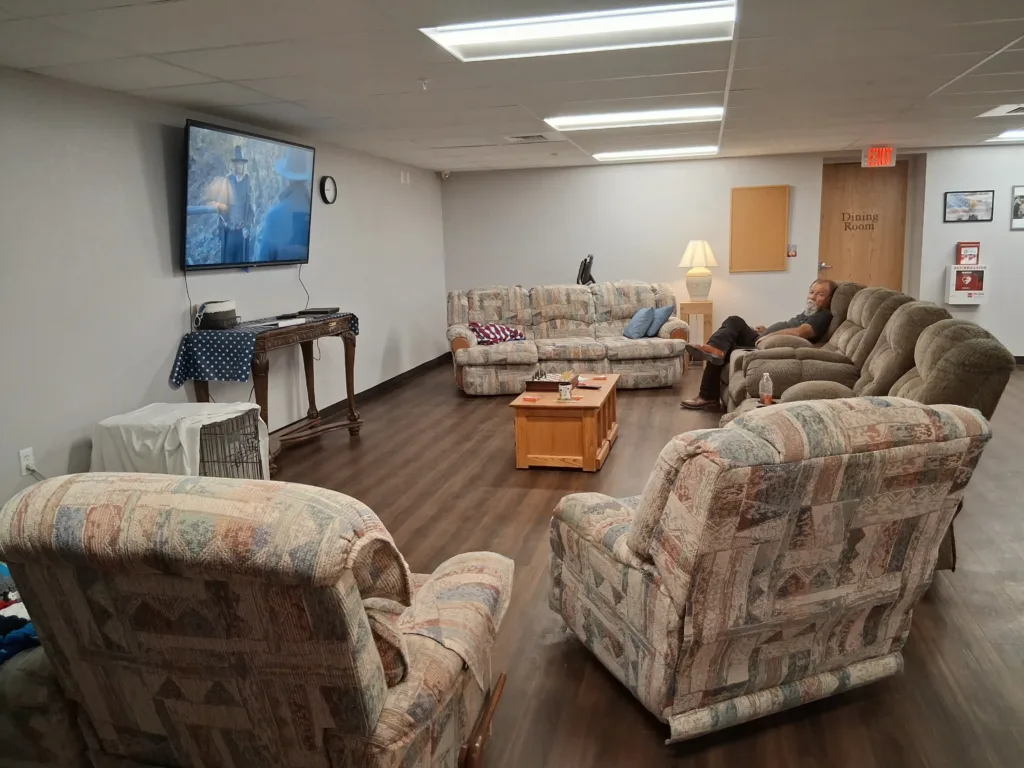
Each wing offers a private bedroom with a bed, chest of drawers, a built-in wall desk with a chair and a place to hang clothes. The veterans share the bathroom, shower, community room, dining room and kitchen where each person prepares their own meal, Wills said.
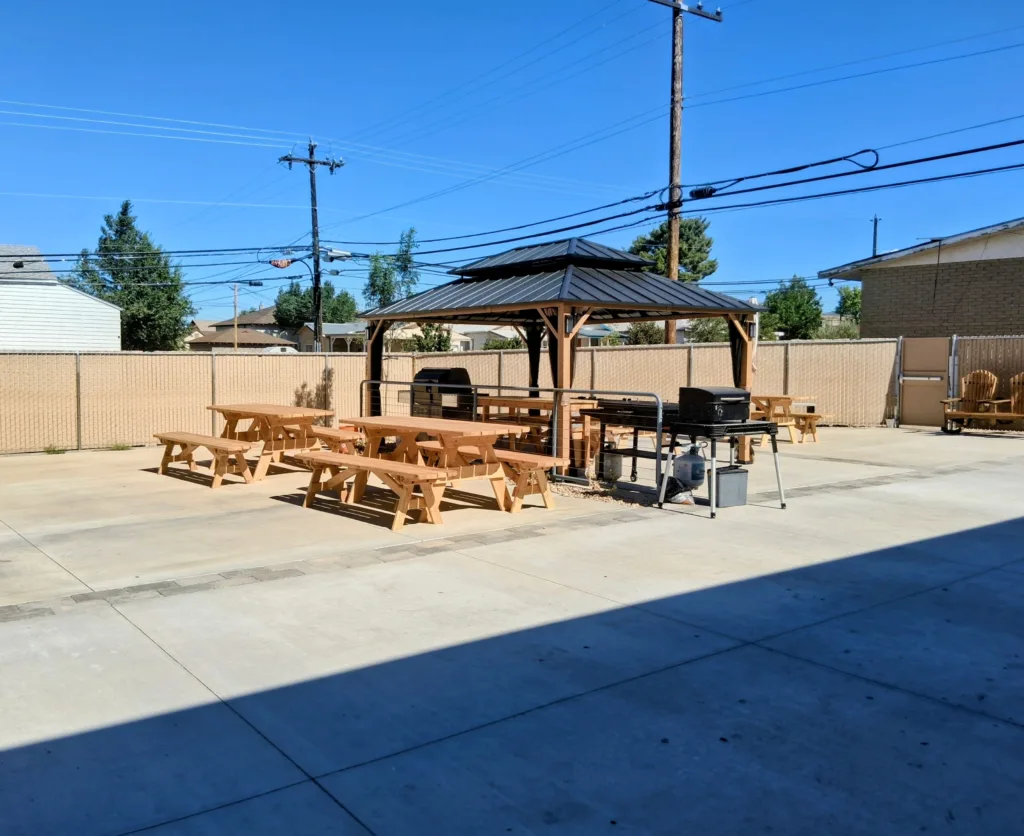
They also have a safe, fenced-in, cemented area where they can grill food and eat on the beautiful picnic tables built by GEO prison inmates in Golden Valley. There is also a smoking area for those who smoke.
To help the veterans with food, JAVC has partnered with the food bank. They also can help veterans not in the program with food, if they need it, but that food is limited, he said.
The facility supports 54 cameras that operate 24/7 to ensure the safety of everyone living there.
“Our veterans need to feel safe.”
Be sure to read the upcoming Part 2 article about JAVC funding.