






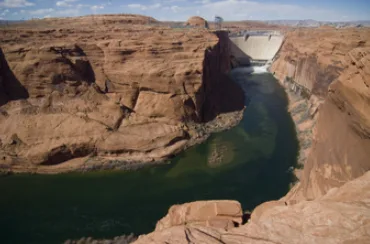
MOHAVE COUNTY – The Department of the Interior is moving forward with the Post-2026 NEPA process to finalize operating guidelines for Colorado River reservoirs by Oct. 1, 2026. While the seven Basin States have not reached full consensus on an operating framework, the Department cannot delay action. Meeting this deadline is essential to ensure certainty and stability for the Colorado River system beyond 2026.
“Negotiation efforts have been productive; we have listened to every state’s perspective and have narrowed the discussion by identifying key elements and issues necessary for an agreement. We believe that a fair compromise with shared responsibility remains within reach,” said Secretary of the Interior Doug Burgum. “I want to thank the governors of the seven Basin States for their constructive engagement and commitment to collaboration. We remain dedicated to working with them and their representatives to identify shared solutions and reduce litigation risk. Additionally, we will continue consultations with Tribal Nations and coordinate with Mexico to ensure we are prepared for Water Year 2027.”
Prolonged drought conditions over the past 25 years and the most recent forecast showing inflow to Lake Powell declining by 1.5 million acre-feet since January underscore the ongoing challenges. The inflow reduction could result in Lake Powell dropping to an extremely low level, threatening water delivery and power generation.
The Colorado River is managed and operated under compacts, federal laws, court decisions and decrees, contracts and guidelines known collectively as the “Law of the River.” This apportions the water and regulates the use and management of the river among the seven Basin States – Arizona, California, Colorado, Nevada, New Mexico, Utah, and Wyoming – and Mexico. The Colorado River Compact is the cornerstone of the “Law of the River.” The 1944 Treaty with Mexico governs the sharing of the Colorado River between the two nations.
The Colorado River is a vital resource as it provides economic stability and enhances the quality of life across the basin. The river:
* provides water to approximately 40 million people for municipal use.
* supports the generation of hydroelectric energy, producing more than 8 billion kilowatt-hours annually powering the needs of approximately 700,000 homes.
* sustains 5.5 million acres of farmland and agricultural communities where a significant share of the fruit and vegetables consumed in the United States are grown.
* serves as a vital resource for 30 Tribal Nations and two Mexican states.
* supports seven National Wildlife Refuges, four National Recreation Areas, and 11 National Parks.
The Post-2026 Draft Environmental Impact Statement (EIS) Post-2026 Operational Guidelines and Strategies for Lake Powell and Lake Mead is available for public review, and comments are being accepted until March 2, 2026. Reclamation has hosted two public meetings and is consulting with Basin tribes to discuss the draft EIS. The Draft Environmental Impact Statement was prepared to evaluate the impacts of a range of operational alternatives to inform the Secretary’s decision on operations beginning on Oct. 1, 2026.
Study shows water levels continue to drop
MOHAVE COUNTY – The Bureau of Reclamation has released the February 24-Month Study, which highlights the worsening hydrologic conditions across the Colorado River Basin. A lack of precipitation over the past month has pushed the most probable water year inflow forecast for Lake Powell down by 1.5 million-acre feet (maf) since January – now roughly 3.0 maf lower than projections made in November. That loss is equivalent to approximately 50 feet in elevation in Lake Powell.
“The basin’s poor hydrologic outlook highlights the necessity for collaboration as the Basin States, in collaboration with Reclamation, work on developing the next set of operating guidelines for the Colorado River system,” stated Acting Commissioner Scott Cameron. “Available tools will be utilized and coordination with partners will be essential this year to manage the reservoirs and protect infrastructure.”
The water year inflow is now estimated at just 52% of average, and as a result, the February 24-Month Study projects, for the first time, that Lake Powell could decline (based on most probable projections) to:
* 3,490 ft – minimum power pool in December 2026; below this level Glen Canyon Dam’s ability to release water is reduced and it can no longer produce hydropower.
* 3,476 ft – in March 2027; the lowest elevation on record since filling further constraining the ability to release of water from Glen Canyon Dam.
To help boost Lake Powell’s elevation, Reclamation began adjusting monthly releases on Dec. 1, 2025, to temporarily retain more water in the reservoir. Additional operational tools remain available through 2026 and will likely need to be implemented if hydrologic conditions remain as projected or deteriorate further. Protecting reservoir elevations in 2026 is important to ensure the dams can continue reliable delivery of water and generation of power.
Reclamation continues to monitor hydrologic conditions and apply the best available information to guide operational decisions that support the long-term stability of the Colorado River system.