






To what extent are we to be our brother’s keeper? And if we are tasked with this high calling, what is the best way to achieve compassion mixed with realism?
Recently, the Kingman Evangelical Ministerial Association, KEMA, met for its monthly luncheon. The topic of discussion introduced by Pastor Bob Peet, was the homeless population of Kingman and the surrounding area.
Specifically, the question asked was, “What is the appropriate response by the church in helping others?”
Universally, there was a sense of concern and, sadly, some sense of helplessness, too.
The conversation bounced around from direct assistance such as meals and food boxes to broader issues like shelter, rehabilitation, and the controversial idea of institutionalization for those unable to substantively improve.
What seemed clear was the desire to be impactful while avoiding the enablement of individuals to remain in a state of status quo.
Both the Old Testament and the New Testament speak of the ongoing nature of the poor and the need for people of faith to respond open-handedly.
However, giving to religious organizations has decreased steadily for decades. According to Giving USA, over the past 40 years (1983-2023), giving to religious organizations has declined from 63% of total charitable giving to a new historic low of just 24%.
And so, while the need remains to assist as many as possible, the pool of resources to do so is in steep decline.
Essentially, even if the religious community had a sure-fire plan to alleviate poverty, and specifically homelessness, the willingness to provide the necessary finances for success simply does not exist currently.
Reliance on governmental intervention has historically had mixed results and often waste and bureaucracy blunt the precision of achieving significant remediation.
Is the answer to throw our hands up in surrender?
Biblically, this is not sanctioned.
So, here are a couple of thoughts.
First, as theologian Matthew Henry suggests, “There are some opportunities of doing and getting good which are constant.”
Rather than triage homelessness using short-term solutions, providing a constant source of funding is necessary for long-term results.
Examples of such assistance include regular giving to organizations that have a proven track record.
We need not reinvent the wheel but simply keep it moving forward. There is never a poverty of opportunity, but becoming increasingly creative in securing a steady stream of resources is a must.
Second, recognizing that some situations require immediate intervention, we must remain flexible and available to assist, especially individually.
This is not giving a transient person five dollars on an intersection corner while travelling. Rather, it is seeing those unique moments where our charity is least asked for and most appreciated.
How many stories and video shorts show us the uplifting moments of a waitress or waiter, for instance, being given a more than generous tip and watching tears flow as the help is a prayer never voiced yet realized.
Finally, there is benefit in charity within the home.
When we care for those closest to us, by extension, they will model a charitable attitude. It is the knowledge that caring for our brothers and sisters in need is communal.
The subject and solutions are perplexing, but perhaps, not as hard as we might think.
Be conscientious, act, repeat.
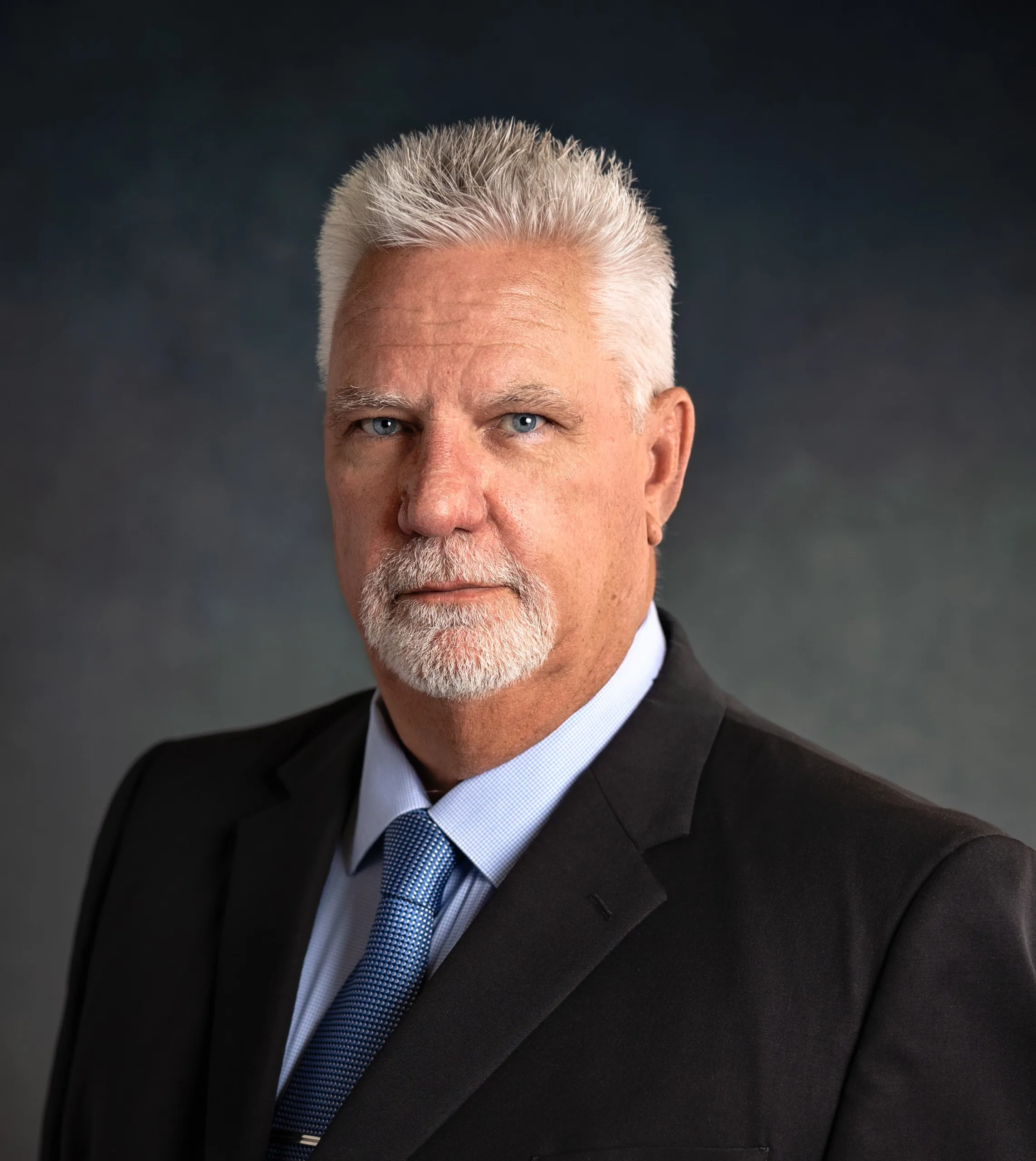
Kent Simmons is the pastor of Canyon Community Church in Kingman, AZ.