






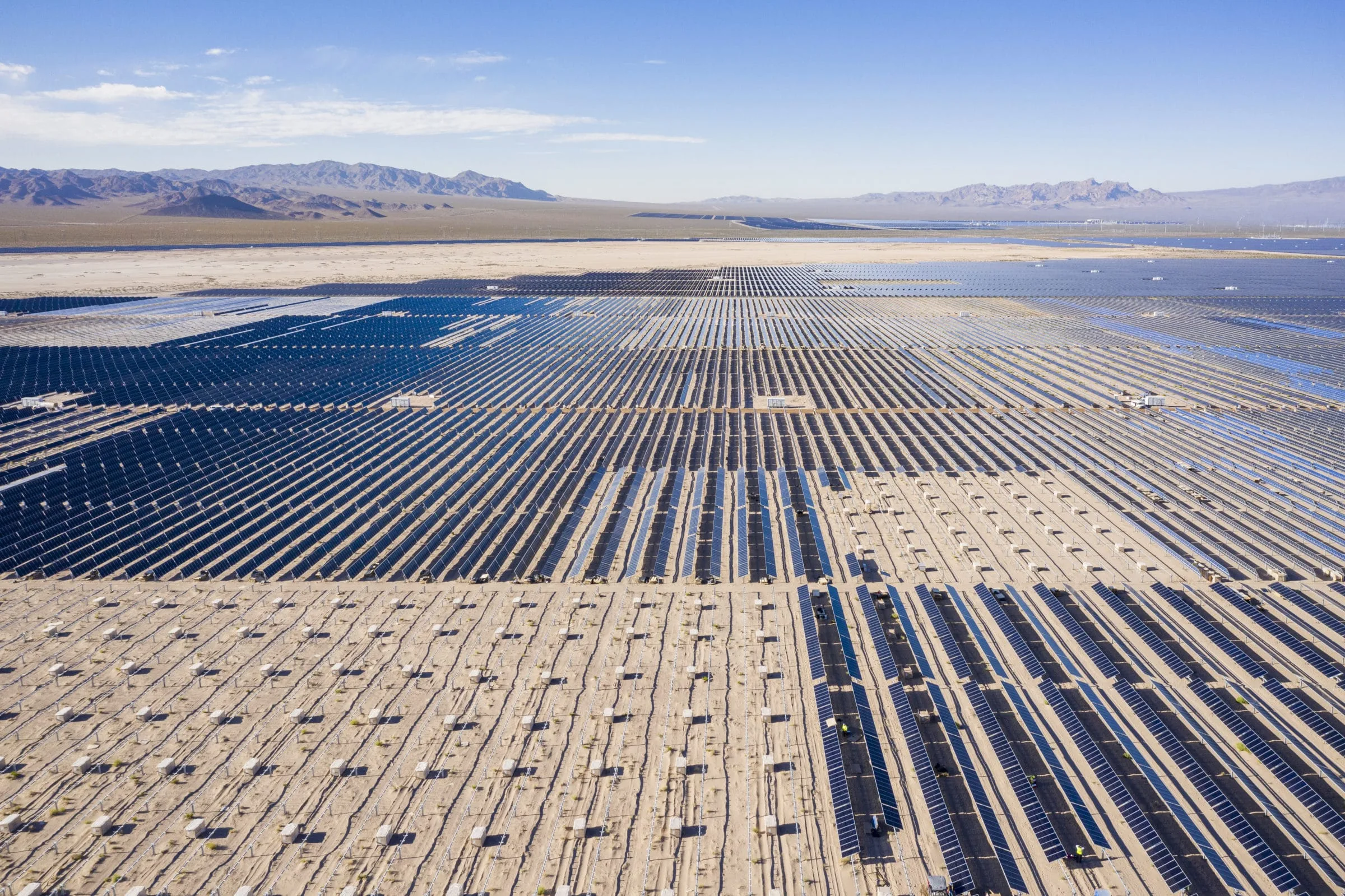
PHOENIX – The Federal Energy Regulatory Commission released its latest “Energy Infrastructure Update” this month. The data shows, nationwide, solar power made up 81% of new energy generating capacity that went in-service during the first 11 months of 2024.
Arizona is experiencing a similar trend. According to Decisions made by the Arizona Corporation Commission in 2024, the ACC approved or caused to be added more than 4,700 MW of new energy generating capacity, which includes solar, battery storage, and natural-gas fired energy. Approximately 82% (3,850 MW) of that new capacity are expected to be produced through solar energy and battery storage. Natural gas-fired plant expansions are expected to increase energy generating capacity in Arizona by about 18% (922 MW). Most of these approved resources are under construction and are anticipated to go online in Arizona, later this year.
“To maintain grid reliability and resource adequacy in Arizona in the coming years will require an all-of-the-above approach for energy generation,” commented Vice Chair Myers, “To this end, Commission decisions have facilitated the development of various kinds of generation projects, including private solar plus battery storage projects that have entered into power purchase agreements with our regulated utilities. This approach advances resource adequacy while keeping costs lower for Arizona customers.”
According to Arizona Public Service Company, the state’s largest utility, it plans to add nearly 2,500 MW of solar and battery storage to Arizona’s electricity grid by the end of this year through power purchase agreements with nine new solar and battery storage facilities. These new facilities are owned and operated by third-party developers, and APS has agreed to buy the electricity generated by the new facilities. Similarly, according to Tucson Electric Power Company, it is planning to add nearly 400 MW of new solar and battery storage to the state’s electric grid by 2026, also through contracts with independent facilities that will own and operate the solar and battery storage systems for TEP.
“I am proud of the work by our Arizona utilities in ensuring that Arizona’s electric grid remain one of the most reliable in the nation. The new generation capacity in our state provided by utility scale solar, battery and natural gas is providing the balanced approach we need to ensure our commitment to energy reliability at the most affordable rates,” stated Commissioner Lea Marquez Peterson. “The rapid expansion of non-carbon emitting generation resources demonstrates that the utilities are acquiring these resources without mandates while fulfilling our promises to Arizona’s ratepayers.”