





Church politics can often get personal. It is really easy to choose sides and team up. Agendas often make their way to the front and center of church life. This happens in many churches and has since the very beginning. Acts chapter six is a good reminder that even the early church was not without its issues and problems. That division that arose was over two groups of widows whose primary languages were different. The apostles, an extraordinary office of the church, introduced the church to one of the ordinary offices of the church, deacons. The result was amazing as this rift was healed by the work of these first deacons. The church grew in number and in unity.
In Ephesians 4:11, Paul reminds us that the ascended Christ gave gifts to His church in the form of officers. He listed for us the apostles, the prophets, the evangelists, and then finally the shepherds and teachers. But not all of these offices function in the same way. The first three are extraordinary offices and the last, shepherd and teacher, is an ongoing and ordinary office.
The extraordinary offices were unique to the foundation of the church. The Apostles were eyewitnesses of the risen Christ who were sent with authority from Jesus to establish the church and write Scripture. Prophets of the Old Testament particularly and then those in the New Testament received God’s direct revelation to guide the church until the Scriptures were complete. Evangelists like Timothy and Titus served as helpers and delegates of the apostles. These evangelists were integral in advancing the Gospel and establishing the church into new territory. These offices or roles were temporary and unrepeatable. Their purpose was to lay the once-for-all foundation of the church (Eph. 2:20).
The ordinary offices are those that Christ has ordained for the church in every generation. Elders, that are sometimes called pastors or overseers, shepherd the flock through the ministry of the Word, prayer, and spiritual oversight. Deacons serve the church by leading in ministries of service and mercy. But both promote unity and love within the body. These ordinary offices remain necessary because the church is ongoing. Furthermore, Christ continues to care for His people through them. They are His gift to the church.
Understanding this distinction not only serves the church but also will protect us from falling into error. We have no command nor a reason to look for new apostles or prophets today. Nor do we build the church on human innovation. Instead, we receive Christ’s gifts to us which are our elders and deacons who point us back to Jesus through God’s Word. Christ loves His church, and He has not left us without care. He rules us by His Word and through His officers so that we may grow in unity and maturity until we all reach the fullness of Christ. Let the church rejoice for the ordinary offices Christ has placed among us. They are His gifts so that together we might reflect our King and His Gospel more clearly in the world.
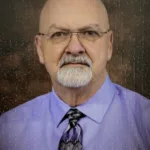
Joe Tolin
Kingman Presbyterian Church