







The National Park Service will renew efforts to rid an area of the Colorado River in northern Arizona of invasive fish by killing them with a chemical treatment, the agency said Friday.
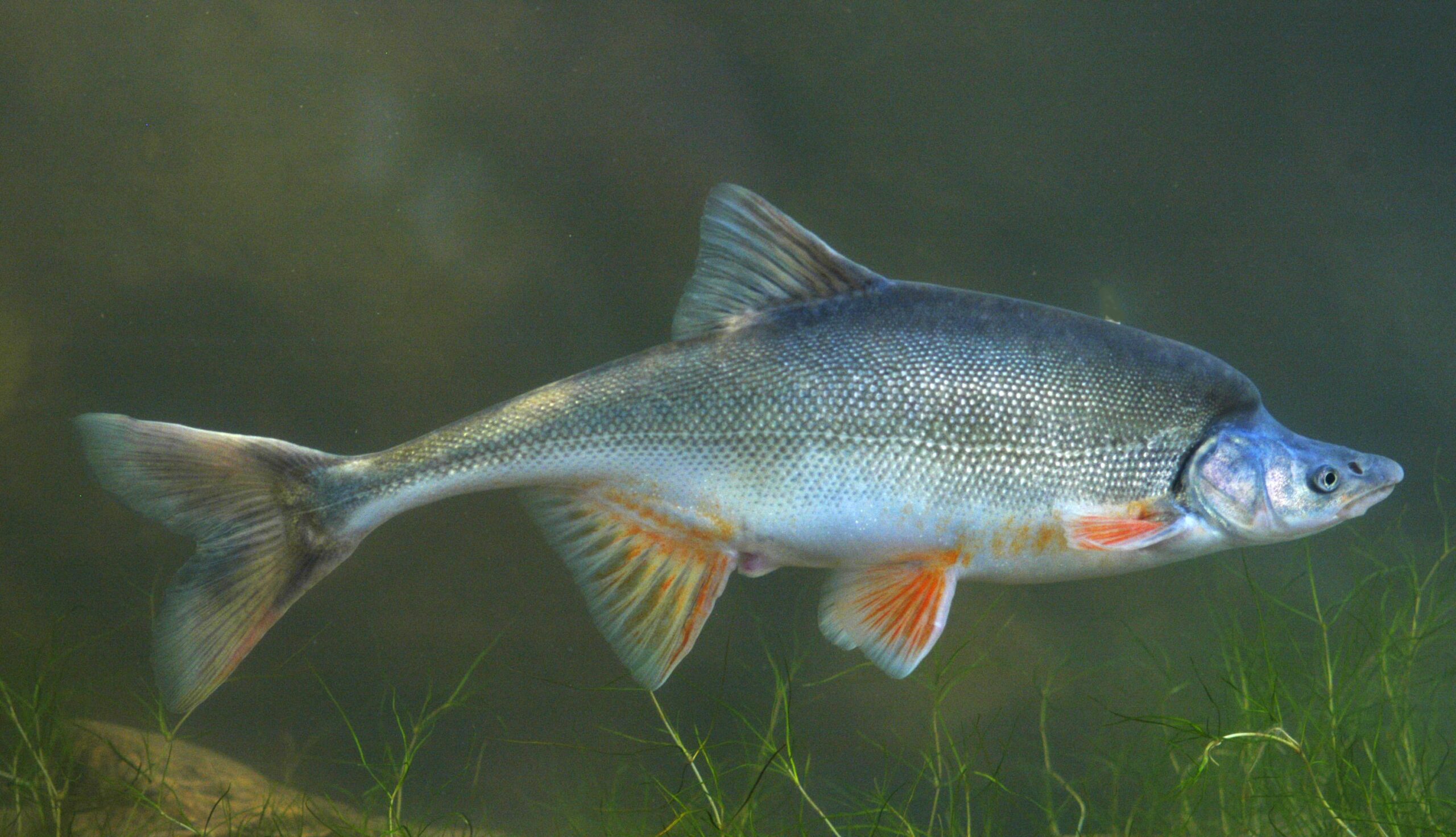
A substance lethal to fish but approved by federal environmental regulators called rotenone will be disseminated starting Aug. 26. It’s the latest tactic in an ongoing struggle to keep non-native smallmouth bass and green sunfish at bay below the Glen Canyon Dam and to protect a threatened native fish, the humpback chub.
The treatment will require a weekend closure of the Colorado River slough, a cobble bar area surrounding the backwater where the smallmouth bass were found and a short stretch up and downstream. Chemical substances were also utilized last year.
The effort will “be carefully planned and conducted to minimize exposure“ to humans as well as “desirable fish species,” according to the National Park Service. An “impermeable fabric barrier“ will be erected at the mouth of the slough to prevent crossover of water with the river.
Once the treatment is complete, another chemical will be released to dilute the rotenone, the park service said.
In the past, smallmouth bass were sequestered in Lake Powell behind Glen Canyon Dam, which had served as a barrier to them for years. But last summer, they were found in the river below the dam.
Due to climate change and drought, Lake Powell, a key Colorado River reservoir, dropped to historically low levels last year, making it no longer as much of an obstacle to the smallmouth bass. The predatory fish were able to approach the Grand Canyon, where the largest groups of the ancient and rare humpback chub remain.
Environmentalists have accused the federal government of failing to act swiftly. The Center for Biological Diversity pointed to data from the National Park Service released Wednesday showing the smallmouth bass population more than doubled in the past year. The group also said there still have been no timelines given on modifying the area below the dam.
“I’m afraid this bass population boom portends an entirely avoidable extinction event in the Grand Canyon,” said Taylor McKinnon, the Center`s Southwest director. “Losing the humpback chub’s core population puts the entire species at risk.“
Conservation groups also continue to criticize the 2021 decision to downgrade the humpback chub from endangered to threatened. At the time, federal authorities said the fish, which gets its name from a fleshy bump behind its head, had been brought back from the brink of extinction after decades of protections.